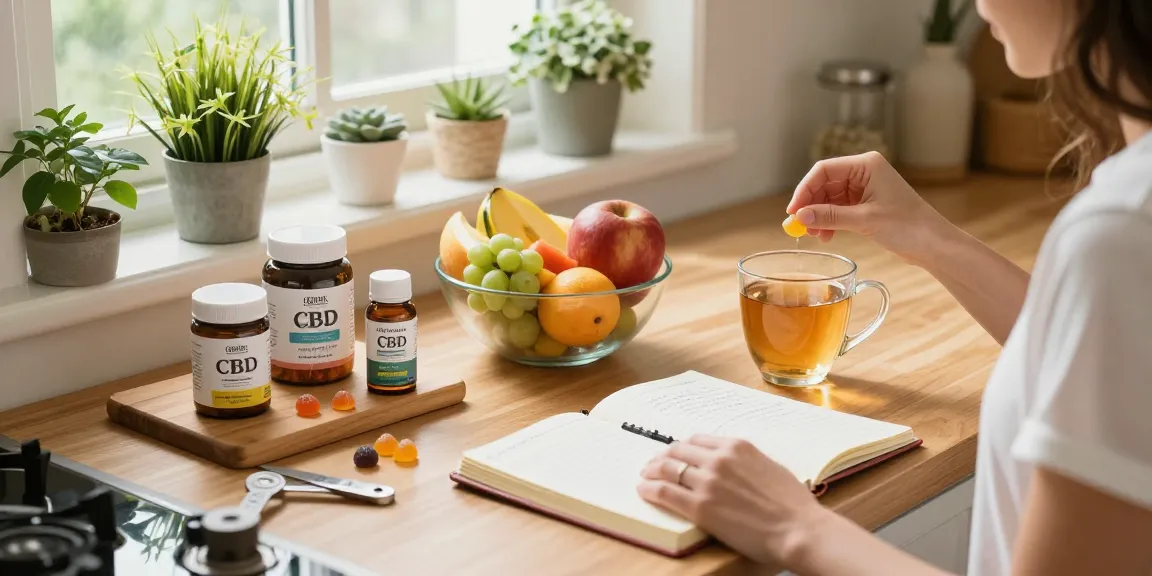
Understanding CBD Edibles and Their Benefits
As the interest in wellness trends continues to grow, cbd edibles have emerged as a popular choice among those seeking the potential benefits of cannabis without the need for inhalation. Cannabis edibles offer a unique way to consume cannabinoids like CBD (cannabidiol) and THC (tetrahydrocannabinol) while providing a discreet and enjoyable manner of ingestion. From gummies to infused beverages, understanding the mechanisms of these delightful options can enhance one’s wellness routine significantly.
What are CBD Edibles?
CBD edibles encompass a wide variety of products infused with cannabidiol, ranging from gummies and chocolates to baked goods and beverages. These items are often made by infusing food ingredients with CBD extracted from hemp plants. Unlike other consumption methods like smoking or vaping, which allow cannabinoids to enter the bloodstream immediately, edibles must first be metabolized by the body. This can result in a delayed effect, often taking between 30 minutes to 2 hours to feel the full impact of the cannabinoids. The primary allure of edibles is that they provide a controlled, consistent dosage while masking the earthy flavor sometimes associated with hemp.
Benefits of CBD Edibles vs Other Methods
One of the key advantages of CBD edibles is their long-lasting effects compared to smoking or vaping. After metabolization, CBD from edibles can stay in the body for several hours, usually providing lasting relief for 4 to 8 hours. This duration can be beneficial for managing chronic conditions such as pain and insomnia. Furthermore, edibles are healthier alternatives that do not expose consumers to the risks associated with inhalation, such as lung irritation. Additionally, they offer a discrete option for CBD consumption, making them appealing for those who may want to use them in public settings.
How CBD Edibles Work in the Body
When CBD edibles are consumed, they are processed via the digestive system and liver. During this process, the liver converts CBD into a more potent form known as 7-hydroxy-CBD, resulting in cannabinoid compounds that provide enhanced therapeutic effects. This unique transformation process contributes to the overall efficacy of edibles, often creating a body-centered experience as consumers feel more relaxed and at ease. Therefore, it's crucial to consume edibles responsibly, starting with a low dose and waiting to gauge the effects before consuming more.
Types of CBD Edibles Available
Candy, Gummies, and Chocolates
One of the most popular forms of CBD edibles is candy, including gummies and chocolates. These delightful treats can make the consumption of CBD much more pleasant. Gummies often come in various flavors and dosages, making them accessible to both novice and experienced users. They can also be easily divided into smaller servings for personalized dosing. Chocolates similarly offer a delicious option for consumers looking to include CBD in their diet, combining the benefits of cocoa and CBD.
Baked Goods and Snacks
Beyond candies, baked goods infused with CBD, such as cookies, brownies, and cakes, are prevalent. These products can provide a more substantial experience, often incorporating additional nutrients and flavors. Snacks such as granola bars and chocolate-covered nuts also serve as a convenient way to enjoy CBD on the go, creating opportunities for wellness that fit seamlessly into one’s daily routine.
Beverages and Infused Foods
CBD-infused beverages are also gaining traction, from teas and coffees to smoothies and sparkling waters. These drinks provide an easy and enjoyable way to consume CBD while offering hydration. Moreover, infused cooking oils and sauces are creating avenues for culinary enthusiasts to explore the benefits of CBD within their cooking, promoting wellness during meal preparation and consumption.
Dosage Guidelines for CBD Edibles
Starting Dosages for Beginners
For those new to CBD edibles, the golden rule is to "start low and go slow." A recommended dosage for beginners typically ranges from 5 to 10 mg of CBD per serving. It's essential to begin with a lower dose to avoid potential overconsumption and to determine individual tolerance. Every individual metabolizes cannabinoids differently, so observing how one's body reacts is crucial before adjusting the dosage.
How to Adjust Your Dosage
Once you have taken a low dosage and waited for sufficient time to assess its effects, adjustments can be made. If the desired effects are not felt after a couple of hours, it is safe to increase the dosage gradually. A common guideline is to add 5 mg at a time and wait for at least 2 hours before taking another serving, as the effects can vary significantly based on body weight, metabolism, and individual tolerance.
Safety Considerations and Recommendations
There are several critical safety considerations when consuming CBD edibles. It's advisable to consult with a healthcare professional, especially for those who are pregnant, breastfeeding, or on medications that may interact with cannabinoids. Furthermore, ensuring that products are third-party tested for purity and potency provides the consumer with confidence in their choices. Always read the labels and be aware of the THC content, especially for those who may be subject to drug testing.
Quality Indicators for CBD Edibles
Importance of Third-Party Testing
When choosing CBD edibles, one of the most significant indicators of quality is third-party testing. Reputable manufacturers will provide Certificates of Analysis (COA) that detail the content and potency of their products, confirming they meet safety standards and genuinely contain the claimed amount of cannabinoids. Such testing helps in reassuring consumers about the product's reliability and safety.
Reading Certificates of Analysis (COA)
Understanding how to read a COA is vital for making informed decisions. The analysis should indicate the levels of cannabinoids present, as well as testing for contaminants such as pesticides, heavy metals, and solvents. Pay attention to whether the testing lab is certified and complies with industry standards to help gauge the quality of the products.
Recognizing Quality Certifications and Labels
Look for products that bear recognized quality certifications, which may include Good Manufacturing Practices (GMP) or organic certification. These labels are indicative of a company's commitment to maintaining high production standards and offering safe, pure products. Being aware of these certifications can help consumers avoid low-quality or fraudulent CBD products in the market.
Legal Status and Compliance for CBD Edibles in 2026
Current Cannabis Regulations and Laws
The legal landscape surrounding CBD edibles has evolved significantly since the passing of the 2018 Farm Bill, which legalized hemp-derived CBD products under federal law, provided they contain less than 0.3% THC. However, individual states may impose additional regulations, making it essential for consumers to stay informed about the laws applicable in their state regarding CBD edibles.
Understanding THC Limits in Edibles
Regulations concerning THC limits in edible products vary by state. Generally, the federal law mandates a THC content of no more than 0.3%, but some states allow higher amounts in their edible products. Consumers should always verify the THC content particularly for edibles containing both CBD and THC to avoid unexpected psychoactive effects.
Consumer Rights and Safety Guidelines
Consumers possess the right to transparency regarding the products they purchase. Brands should offer accessible information about their sourcing, manufacturing processes, and testing results. Additionally, adhering to safety guidelines—such as storing edibles in secure placements away from children—and understanding personal limits when it comes to dosage are vital for responsible use.
What should I know before trying CBD edibles?
Before experimenting with CBD edibles, it's crucial to be aware of your individual health situation and potential interactions with other medications. Research reputable brands, read up on user testimonials, and consult with a healthcare provider if needed to be best prepared for the journey with CBD edibles.
Are there any side effects of CBD edibles?
While many users report positive experiences, CBD edibles can also lead to side effects, which may include drowsiness, dry mouth, or digestive changes. Individual reactions can vary widely, hence it’s beneficial to start with low doses and monitor responses closely. If any adverse effects persist, seeking medical advice is recommended.
Can I mix CBD edibles with other medications?
Combining CBD edibles with other medications may carry risks of interactions. It's essential to consult a healthcare professional to understand any potential for adverse effects or diminished efficacy of other medications. This is especially true for blood thinners and certain seizure medications.
How long do the effects of CBD edibles last?
Typically, the effects of CBD edibles can last anywhere from 4 to 8 hours, depending on several factors including dosage, individual metabolism, and whether the edibles were consumed on a full or empty stomach. The onset time and duration can differ greatly from person to person, emphasizing the importance of starting with small amounts and adjusting as necessary.
Are CBD edibles suitable for children?
Caution should be exercised when considering CBD edibles for children. Currently, there is limited research on the use of CBD in children, and parental discretion is advised. Consulting with a pediatric healthcare provider before administering CBD products is crucial for safety and legality.