Understanding CBD Oil: What It Is and How It Works
1. The Basics of CBD Oil
Cannabidiol, commonly known as CBD, is one of the many compounds derived from the cannabis plant. Unlike its more famous counterpart, tetrahydrocannabinol (THC), CBD does not produce psychoactive effects. This characteristic makes CBD Oil a natural and appealing option for individuals seeking therapeutic benefits without the high typically associated with cannabis.
CBD Oil is extracted primarily from hemp, a variety of cannabis containing 0.3% THC or less. This specificity in the cannabis species ensures that CBD Oil is compliant with legal standards in many countries, allowing for broader use and accessibility.
2. How CBD Oil Interacts with the Body
The human body has an endocannabinoid system (ECS) that plays a crucial role in maintaining homeostasis through various physiological processes such as mood, pain perception, inflammation, and immune response. The ECS comprises endocannabinoids, receptors (CB1 and CB2), and enzymes that synthesize and break down these endocannabinoids.
CBD interacts with the ECS primarily by binding to the CB2 receptors, which are predominantly found in the immune system. This interaction may help in reducing inflammation and managing pain. Unlike THC, which binds more effectively to CB1 receptors linked to the brain and nervous system, CBD does so selectively, providing physical benefits without the psychoactive high.
3. Common Misconceptions About CBD Oil
There are numerous misconceptions surrounding CBD Oil that can hinder its acceptance and understanding. One prevalent myth is that CBD produces a “high.” As mentioned previously, while THC is psychoactive, CBD is non-intoxicating. Additionally, some people erroneously believe that all CBD products are made equally; however, the quality and concentration can greatly vary, impacting the efficacy of the oil.
Another misconception is that using CBD Oil is illegal. In many regions, including the United States, CBD derived from hemp is legal and classified differently than marijuana. This legal distinction has opened up opportunities for research and commercial use, enhancing the public’s access to its potential benefits.
Health Benefits of CBD Oil: What Research Shows
1. Reducing Pain and Inflammation Through CBD Oil
One of the most compelling uses of CBD Oil is its potential to alleviate pain and reduce inflammation. Research indicates that CBD may inhibit inflammatory responses at the cellular level, offering a natural remedy for conditions such as arthritis, chronic pain, and even sports injuries. A study published in the Journal of Experimental Medicine found that CBD significantly reduced chronic inflammatory and neuropathic pain in rodents.
A practical approach for individuals considering CBD for pain management includes topical applications and tinctures. Topical use allows the compound to interact directly with localized areas of discomfort, providing targeted relief without systemic absorption, while tinctures can facilitate broader pain relief when ingested.
2. CBD Oil and Anxiety Relief
Anxiety disorders affect millions globally, and the search for effective, non-pharmaceutical treatments has led many to CBD Oil. Preliminary studies suggest that CBD can help manage anxiety by influencing serotonin levels in the brain, akin to traditional antidepressants.
In a study involving patients suffering from social anxiety, those administered CBD prior to a public speaking event experienced significantly reduced anxiety levels compared to those who received a placebo. These findings support CBD’s potential as a natural alternative for anxiety management.
3. Studies on CBD Oil for Better Sleep
Sleep disorders, such as insomnia, are increasingly common in today’s fast-paced world. CBD Oil may assist by addressing the root causes of sleep disruption, including anxiety and pain. Research indicates that CBD may improve sleep quality and increase total sleep duration in those suffering from sleep-related issues.
Those who struggle with sleep might consider using CBD Oil in the evening, with dosages tailored to individual needs. This practice can establish a calming pre-sleep routine, promoting readiness for rest.
How to Use CBD Oil: Tips and Best Practices
1. Different Methods of Consuming CBD Oil
There are multiple ways to consume CBD Oil, each with different absorption rates and effects. The most common methods include:
- Tinctures: Placing oil under the tongue provides quick absorption into the bloodstream.
- Topicals: Creams and balms infused with CBD deliver localized relief and are ideal for inflammation and discomfort.
- Edibles: Gummies and capsules offer a familiar method and a discrete option for users.
- Vaping: Inhalation allows for rapid effects but comes with inherent risks associated with vaping.
Each method has potential benefits and drawbacks, and users should select what suits their lifestyle and needs.
2. Finding the Right Dosage of CBD Oil
Determining the correct dosage can be challenging, as it depends on various factors including body weight, individual body chemistry, and the nature of the condition being treated. A regular starting point is to begin with a low dose and gradually increase while monitoring effects.
Tracking individual responses through a journal can provide insights and help find the right dose. Many users advocate for the “start low, go slow” approach, allowing time for the body to adjust.
3. Incorporating CBD Oil Into Your Routine
For maximal benefits, integrating CBD Oil into a daily routine is recommended. This regular usage fosters a beneficial cumulative effect. Consistency is key; users should aim to take CBD at the same time each day for optimal results.
Additionally, pairing CBD Oil with healthy lifestyle choices such as maintaining a balanced diet, regular exercise, and mindfulness practices can enhance its effectiveness.
Choosing Quality CBD Oil: What to Look For
1. Understanding CBD Oil Labels and Ingredients
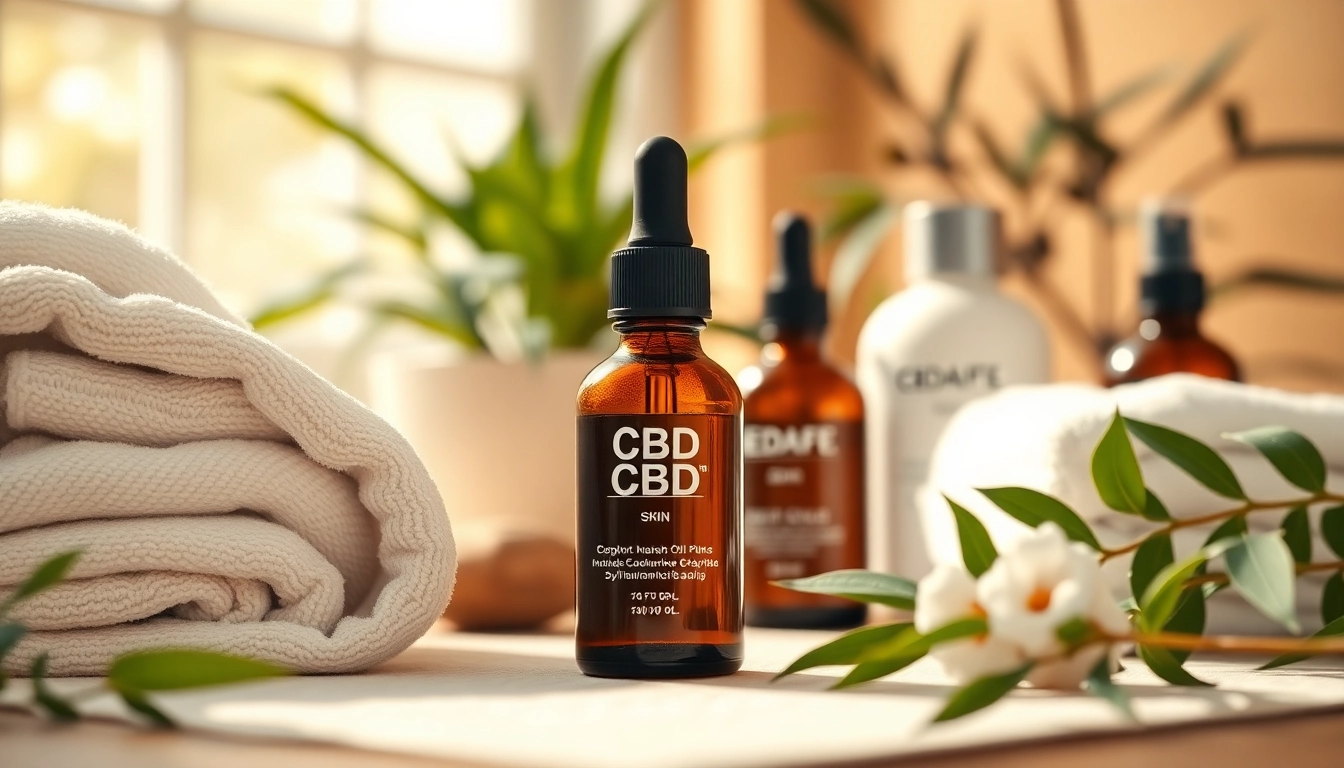
When selecting CBD Oil, understanding labels is paramount. Pay attention to terms such as “full-spectrum,” “broad-spectrum,” and “CBD isolate.” Full-spectrum oils contain all cannabinoids present in cannabis, including trace amounts of THC, while broad-spectrum products include cannabinoids without THC. Isolate oils contain CBD in its pure form.
Customers should also verify the potency of CBD in milligrams and assess the ingredient list for additives or fillers. Clear labeling signifies a reputable brand committed to transparency.
2. Importance of Third-Party Testing for CBD Oil
Reputable brands will provide third-party lab results to confirm their product’s cannabinoid profile and purity. These results assure customers that the product is free from harmful substances such as pesticides, heavy metals, and contaminants.
Consumers should always seek CBD products that are third-party tested for lab confirmation of quality and safety to avoid health risks associated with unverified substances.
3. Identifying Reputable CBD Oil Brands
Due diligence in identifying brands is essential to ensure quality. Consumers should research the company’s history, read reviews, and look for brands with a proven track record and positive user feedback. Transparency in sourcing and cultivation practices is often indicative of quality.
Engaging with local communities and forums can also provide valuable insights into trustworthy manufacturers and assist in avoiding unreliable products.
Potential Side Effects and Considerations of CBD Oil
1. Common Side Effects Associated with CBD Oil
While CBD Oil is generally considered safe, some users may experience side effects, including fatigue, diarrhea, and changes in appetite or weight. These effects are usually minor and diminish over time as the body adapts to the compound.
Individuals should monitor their reactions and consult healthcare professionals if side effects persist or worsen.
2. Interactions Between CBD Oil and Other Medications
CBD may interact with certain medications, particularly those with a “grapefruit warning” as they share metabolic pathways. It’s crucial for users to consult with a healthcare provider, especially if they are taking other pharmaceuticals, to prevent any adverse interactions.
3. Consulting Healthcare Professionals About CBD Oil
Before starting any CBD regimen, consulting with a healthcare professional is important for personalized advice based on individual health conditions and potential risks. They can also provide guidance on suitable dosing and monitor any changes in health status as a result of CBD use.