
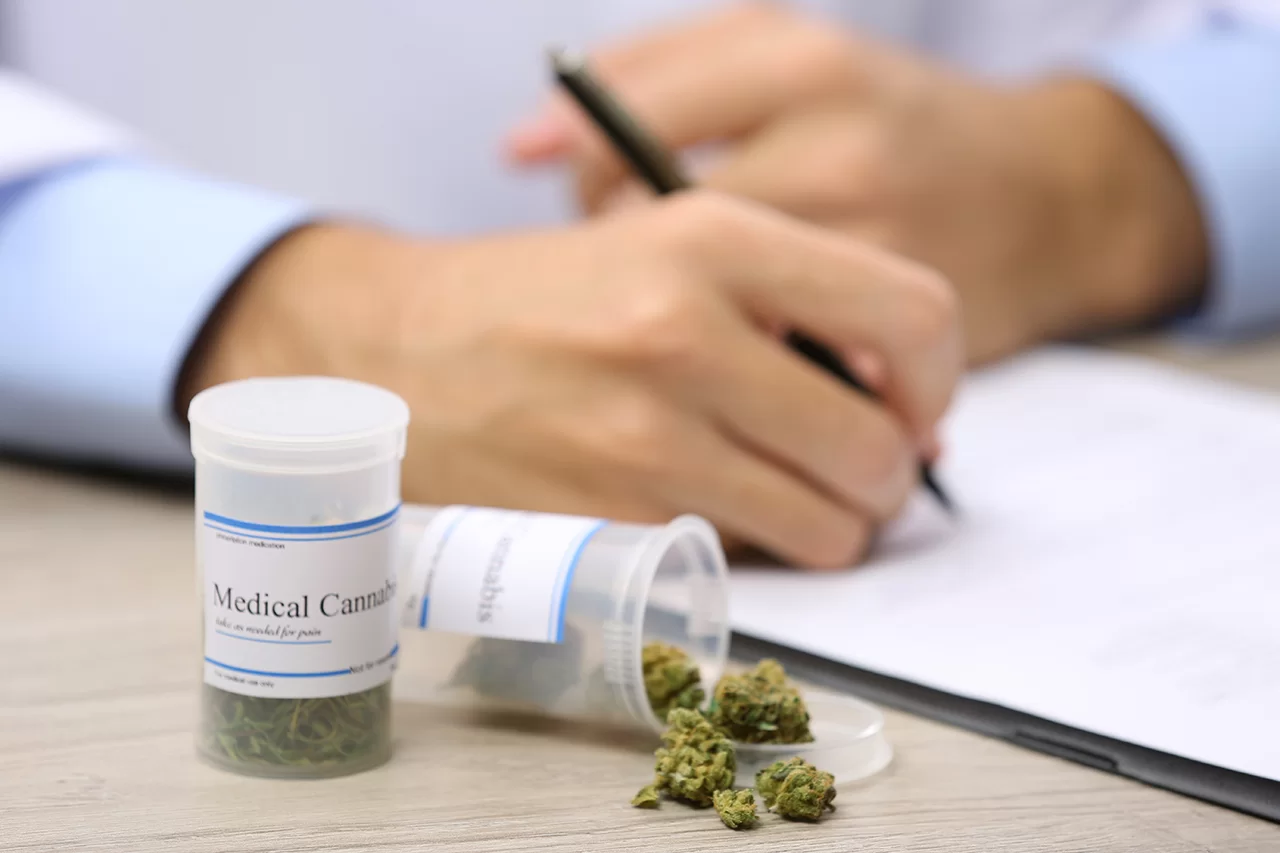
The Rise of Digital Healthcare and Medical Marijuana Access
The healthcare landscape in the United States has experienced a remarkable transformation over the last decade. One of the most significant developments has been the rapid growth of telehealth services, which have changed the way patients communicate with healthcare providers. This digital revolution has been especially impactful in the medical marijuana industry, where patients can now obtain consultations, evaluations, and recommendations from the comfort of their homes. As more states continue to legalize medical cannabis programs, telehealth platforms have become essential tools for improving accessibility and convenience.
The integration of telehealth into medical marijuana programs has helped thousands of patients overcome traditional barriers to care. Long waiting times, transportation challenges, and limited access to qualified physicians once made the process difficult for many individuals. Today, services such as Med Card District have streamlined the process, making medical marijuana evaluations faster and more accessible. By leveraging technology, Med Card District is helping patients connect with licensed healthcare professionals efficiently and securely.
Understanding Telehealth in Medical Marijuana Programs
Telehealth refers to the use of digital communication technologies to provide healthcare services remotely. Through video calls, online consultations, and secure messaging platforms, patients can receive medical guidance without visiting a physical clinic. This approach has become increasingly popular in medical marijuana programs because it simplifies the certification process.
Patients seeking a medical marijuana recommendation can often schedule an appointment online, complete necessary documentation, and meet with a healthcare provider through a virtual platform. Companies like Med Card District have embraced this model to create a seamless experience for patients. By eliminating geographical limitations, Med Card District enables individuals from various regions to access qualified professionals who can evaluate their eligibility for medical cannabis treatment.
Expanding Access for Rural Communities
One of the most important benefits of telehealth is its ability to serve patients living in rural and underserved areas. Many rural communities lack healthcare specialists, including physicians authorized to recommend medical marijuana. Patients may have previously needed to travel long distances for a consultation, creating both financial and logistical burdens.
Telehealth eliminates many of these obstacles. Through virtual appointments, patients can receive professional evaluations regardless of their location. Med Card District has played a significant role in expanding access by connecting patients with licensed providers through secure online platforms. This increased accessibility ensures that individuals who may benefit from medical marijuana have a fair opportunity to explore treatment options.
Convenience and Time Savings for Patients
Traditional healthcare appointments often require patients to arrange transportation, take time off work, and spend considerable time in waiting rooms. Telehealth significantly reduces these inconveniences by allowing patients to attend consultations from their homes or workplaces.
The convenience offered by services like Med Card District has made medical marijuana evaluations more manageable for busy individuals. Patients can schedule appointments that fit their schedules and complete much of the process online. As a result, Med Card District has become a valuable resource for those seeking efficient access to medical cannabis recommendations while minimizing disruptions to their daily lives.
Improving Healthcare Accessibility for Individuals with Mobility Challenges
Many patients who qualify for medical marijuana experience chronic pain, neurological disorders, or other conditions that limit mobility. Traveling to healthcare facilities can be physically demanding and sometimes impossible for these individuals.
Telehealth provides an accessible alternative that prioritizes patient comfort. Through platforms such as Med Card District, patients can consult with healthcare professionals without leaving their homes. This accessibility helps ensure that physical limitations do not prevent eligible patients from receiving appropriate evaluations and guidance regarding medical marijuana treatment.
The Impact of COVID-19 on Telehealth Adoption
The COVID-19 pandemic accelerated the adoption of telehealth across the healthcare industry. Social distancing measures and concerns about virus transmission encouraged providers and patients to embrace virtual healthcare solutions. Medical marijuana programs were among the sectors that benefited significantly from this transition.
As healthcare systems adapted to remote services, organizations like Med Card District expanded their telehealth offerings to meet growing demand. Patients quickly discovered the advantages of virtual consultations, and many have continued to use these services even after pandemic restrictions were lifted. The success of telehealth during this period demonstrated its long-term value in improving healthcare accessibility.
Enhancing Patient Privacy and Comfort
Privacy is an important consideration for many individuals seeking medical marijuana treatment. Some patients may feel uncomfortable discussing their medical conditions in crowded waiting rooms or public healthcare settings. Telehealth offers a more private environment where patients can communicate openly with healthcare providers.
Med Card District recognizes the importance of confidentiality and uses secure technologies to protect patient information. By allowing consultations to take place in familiar surroundings, Med Card District helps patients feel more comfortable during evaluations. This enhanced sense of privacy can lead to more productive conversations and better healthcare outcomes.
Streamlining the Medical Marijuana Certification Process
The process of obtaining a medical marijuana card has historically involved multiple steps and significant paperwork. Telehealth has simplified many of these requirements by digitizing forms, appointment scheduling, and patient communications.
With Med Card District, patients can complete much of the certification process online. The platform provides guidance throughout each stage, reducing confusion and administrative burdens. By streamlining procedures, Med Card District helps eligible patients obtain recommendations more efficiently while maintaining compliance with state regulations.
State Regulations and Telehealth Opportunities
Although telehealth has transformed medical marijuana access, regulations vary from state to state. Some states fully support telehealth evaluations for medical cannabis certifications, while others impose specific restrictions or require in-person visits under certain circumstances.
Despite these variations, the trend toward greater acceptance of telehealth continues to grow. Organizations such as Med Card District stay informed about changing regulations to ensure that patients receive accurate and compliant services. As more states recognize the benefits of virtual healthcare, telehealth is likely to become an even more integral component of medical marijuana programs nationwide.
Technology Driving Better Patient Experiences
Advancements in digital technology have significantly improved the telehealth experience. High-quality video conferencing, secure patient portals, and electronic document management systems allow healthcare providers to deliver effective services remotely.
Med Card District utilizes modern technology to facilitate smooth interactions between patients and providers. From appointment scheduling to document submission, the platform is designed to enhance convenience and efficiency. These technological innovations contribute to a more positive patient experience while supporting broader access to medical marijuana evaluations.
The Future of Telehealth and Medical Marijuana
The future of telehealth in the medical marijuana industry appears promising. As technology continues to evolve and regulations adapt to changing healthcare needs, virtual consultations are expected to become even more widespread. Patients increasingly value convenience, accessibility, and flexibility, all of which telehealth provides.
Med Card District is positioned to remain an important part of this evolving landscape by offering reliable telehealth services that connect patients with qualified healthcare professionals. The continued expansion of telehealth has the potential to reduce healthcare disparities, improve patient satisfaction, and increase access to medical marijuana treatment options across the United States.
Conclusion
Telehealth has fundamentally changed the way patients access medical marijuana in the United States. By removing geographical barriers, improving convenience, enhancing privacy, and supporting individuals with mobility challenges, virtual healthcare services have made medical cannabis evaluations more accessible than ever before. The widespread adoption of telehealth, particularly following the COVID-19 pandemic, has demonstrated its effectiveness in delivering quality healthcare remotely.
As the industry continues to grow, platforms like Med Card District will play an increasingly important role in connecting patients with healthcare providers. Through innovative digital solutions and patient-centered services, Med Card District is helping shape the future of medical marijuana access. The ongoing integration of telehealth into medical cannabis programs represents a significant advancement in healthcare delivery, ensuring that more patients can receive the care and support they need regardless of their location.