Understanding Feminized Cannabis Seeds
Feminized cannabis seeds have revolutionized the cultivation of cannabis, offering growers a pathway to achieve maximum yields with less hassle. Unlike traditional seeds that can produce both male and female plants, feminized seeds are engineered to ensure nearly all offspring are female, which are the plants that produce the sought-after buds. This reliability is especially appealing to both novice and experienced growers who want to streamline their growing process. If you’re looking to explore options for Feminisierte Cannabissamen kaufen, understanding the intricacies of these seeds is crucial for successful cannabis cultivation.
What are Feminisierte Cannabissamen?
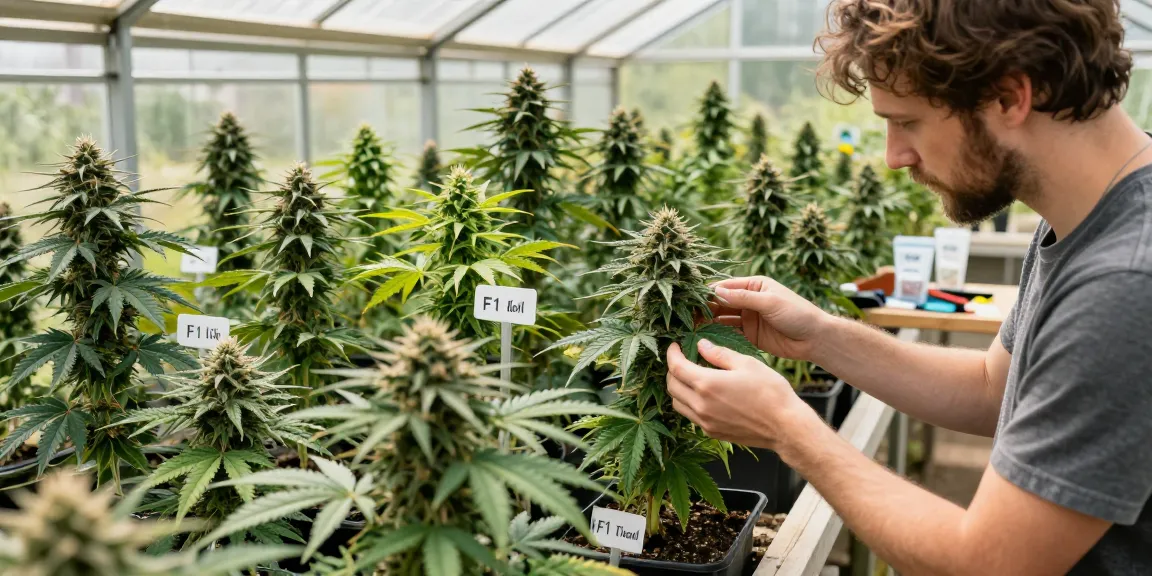
Feminisierte Cannabissamen, or feminized cannabis seeds, are specially bred seeds designed to produce exclusively female plants. This innovation in cannabis breeding is significant because female plants are the ones that create the cannabinoid-rich flowers that users desire. The breeding process involves inducing stress on a female plant to produce pollen, which is then used to fertilize another female plant. The result is a seed that, when planted, has a high likelihood (up to 99%) of growing into a female plant.
Benefits of Feminized Seeds vs. Autoflowering
Feminized seeds possess unique advantages over autoflowering seeds, particularly for growers focused on yield and quality. Feminized seeds typically provide larger yields since they consistently produce female plants that produce buds. On the other hand, autoflowering seeds are known for their quicker life cycle, allowing growers to harvest sooner but often resulting in lower yields. For those who prioritize efficiency and are cultivating in environments where maximizing space and resources is essential, feminized seeds are often the superior choice.
Ideal Cultivation Conditions for Feminized Seeds
The growth conditions for feminized seeds can significantly affect the quality and quantity of the harvest. These seeds thrive in well-controlled environments, either indoors with optimal lighting or outdoors with plenty of sunlight. Factors like temperature, humidity, and nutrient supply all play crucial roles in the successful cultivation of feminized cannabis. Ensuring the right conditions can lead to a successful growth cycle, highlighted by healthy plants and rich harvests.
Choosing the Best Feminized Strains
Top Feminized Strains for Maximum Yield
When selecting feminized strains, it's vital to consider those known for their high yield potential. Strains like White Widow, Gorilla Glue, and Blue Dream have garnered attention for their robust growth and the ability to produce substantial buds. Each strain has its own set of unique traits, making it essential for growers to choose one that matches their experience level and cultivation goals.
Unique Traits of Cali-Genetics Feminized Seeds
Cali-Genetics feminized seeds are celebrated for their exceptional flavor profiles and unique genetic backgrounds. These strains often feature distinct aromas and effects, appealing to enthusiasts who value quality and variety in their cannabis experience. Some of the popular strains from this lineage include Gelato and Sunset Sherbet, known for their rich, fruity flavors and robust effects.
Strain Selection Based on Growing Experience
Choosing the right strain is also a matter of one’s growing expertise. Beginners may benefit from strains that are forgiving and resilient, such as Northern Lights or Easy Bud, which can thrive under less-than-perfect conditions. More seasoned growers might opt for strains that require precise care to unlock their full potential, but doing so can lead to rewarding outcomes in terms of flavor and potency.
Step-by-Step Guide to Growing Feminized Cannabis
From Germination to Harvest: A Practical Approach
The journey from seed to harvest begins with germination, where seeds should be placed in a moist environment until they sprout. Following this, the seedlings must be transferred to a growing medium such as soil or hydroponic systems. Throughout the growth cycle, it’s critical to monitor light exposure, water needs, and nutrient levels to ensure optimal development. Understanding the growth stages—vegetative and flowering—is essential for timing the harvest correctly.
Common Mistakes When Growing Feminized Seeds
Even experienced growers can make common mistakes when cultivating feminized cannabis. Overwatering is a frequent issue that can lead to root rot, while underwatering can stunt plant growth. Additionally, neglecting to manage the light cycle properly can stress the plants, leading to poor yields. Recognizing these pitfalls and adjusting care accordingly can prevent setbacks and enhance the overall quality of the harvest.
Monitoring Growth and Ensuring Quality
Maintaining a close watch on plant health is crucial. Growers should regularly check for pests, nutrient deficiencies, and environmental factors like humidity and temperature. Using tools such as pH meters and nutrient testers can help ensure that plants receive adequate nutrients and that grow conditions remain ideal. Keeping detailed records of growth progress can also inform future cultivation strategies.
Feminized Seeds for Different Growing Environments
Indoor vs. Outdoor Cultivation: Key Differences
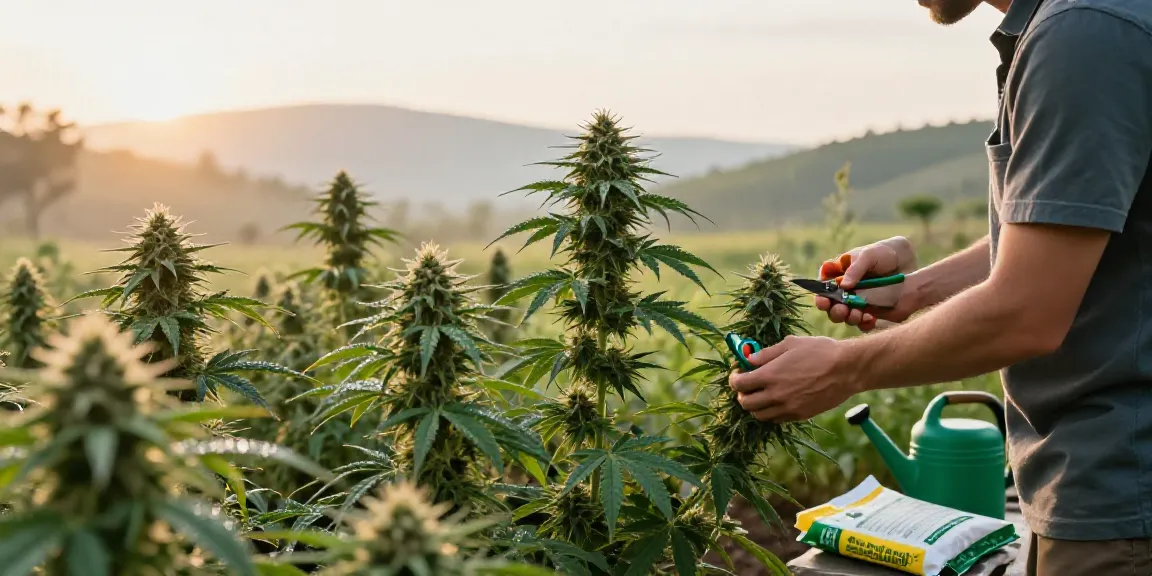
Growing feminized seeds indoors allows for total environmental control, which can lead to consistent results. In contrast, outdoor cultivation benefits from natural sunlight and larger growing environments but is subject to weather variability. Choosing between the two methods often depends on personal resources, space availability, and desired production goals.
Maximizing Space with Feminized Seeds
For indoor growers, maximizing space is vital. Techniques such as vertical growing, topping, and using SCROG (Screen of Green) methods can significantly increase yields by effectively utilizing available light and space. Feminized seeds lend themselves well to these methods since they produce flowering plants consistently and can be trained to grow in manageable shapes.
Soil vs. Hydroponics for Feminized Cannabis
The choice between soil and hydroponics can affect the quality of the harvest. Soil is often more forgiving and easier for beginners to manage, while hydroponic systems can lead to faster growth and higher yields due to better nutrient absorption. Each method offers distinct advantages and should be chosen based on the grower's skill level and desired outcomes.
Future Trends in Cannabis Cultivation
Innovations in Cannabis Seed Breeding
The field of cannabis seed breeding is evolving rapidly, with advancements such as genetic modification and hybridization techniques that enhance desirable traits in feminized seeds. As regulations become more favorable, expect to see a wider variety of feminized strains that offer unique cannabinoids and terpenes, further enriching the landscape of cannabis cultivation.
What to Expect in Feminized Cannabis Production by 2026
By 2026, the emphasis on sustainable and organic practices is likely to grow, with a focus on reducing environmental impacts during the cultivation process. Expect to see more feminized strains developed specifically for resilience against pests and diseases while maintaining potent yields. Furthermore, innovations in cultivation technology will provide growers with tools that enhance efficiency and efficacy.
Emerging Market Trends for Cannabis Enthusiasts
As the cannabis market expands, trends such as personalized strains crafted for specific effects or medical benefits may become commonplace. Additionally, educational resources focusing on the cultivation of feminized seeds and sustainable practices will likely proliferate, empowering new growers to engage with the market effectively.
Where Can You Legally Buy Feminized Cannabis Seeds?
For those looking to purchase feminized cannabis seeds, it is essential to do so from reputable suppliers that provide quality assurance. Many states and regions now have legal frameworks supporting the sale of cannabis seeds, making it easier than ever for enthusiasts to access high-quality feminized strains. Ensuring that the chosen retailer offers transparent sourcing and customer reviews is crucial for a successful purchase experience.
What are the Best Practices for Purchasing Cannabis Seeds?
When buying cannabis seeds, it is advisable to examine the genetics and reputation of the strain you’re interested in. Researching the breeder’s background and reviews from other growers can shed light on the quality of the seeds. Moreover, consider purchasing from seed banks that offer guarantees on germination rates and customer satisfaction.
How do You Successfully Maintain Feminized Cannabis Plants?
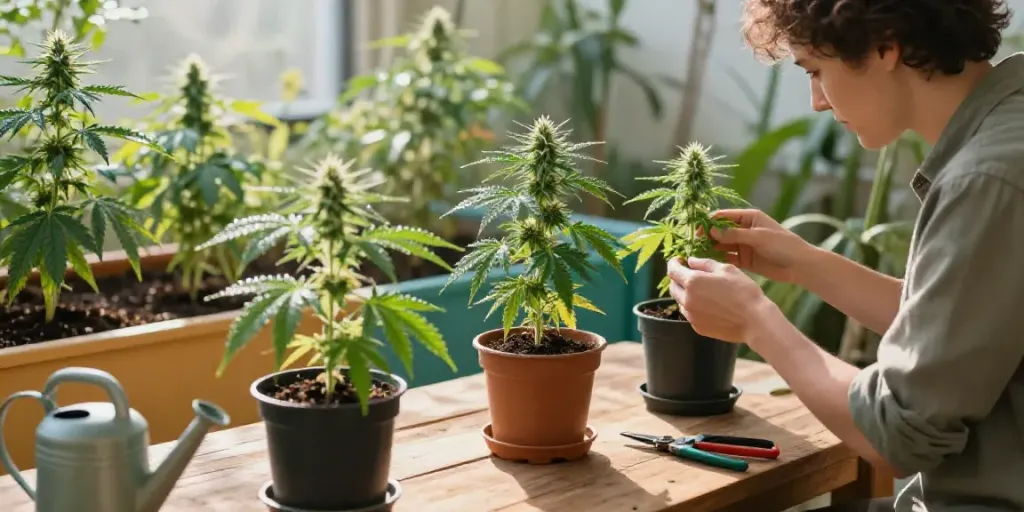
Successfully maintaining feminized cannabis plants hinges on understanding their specific needs. This includes appropriate water schedules, nutrient management, and environmental controls that cater to the plants throughout their growth stages. Regular monitoring and adjustment of these factors can lead to a robust and healthy crop.
What to Know About Certifications and Quality Assurance?
Quality assurance in cannabis cultivation often includes certifications that guarantee the seeds' genetic stability and health. Understanding what these certifications entail can give growers confidence in their seed choices. Look for suppliers that adhere to industry standards, ensuring compliance with safety regulations.
Can Beginners Easily Cultivate Feminized Cannabis?
Yes, beginners can effectively cultivate feminized cannabis, provided they equip themselves with knowledge about the growing process. Utilizing reliable resources and starting with strains known for their resilience can help novice growers achieve successful harvests while minimizing frustration.
How to Avoid Common Pitfalls When Growing Cannabis?
Avoiding common pitfalls in cannabis cultivation requires preparation and attentiveness. New growers should educate themselves about optimal growing conditions and heed the advice of experienced cultivators. Keeping a journal of growth patterns and problems can help identify and remedy issues before they escalate.