
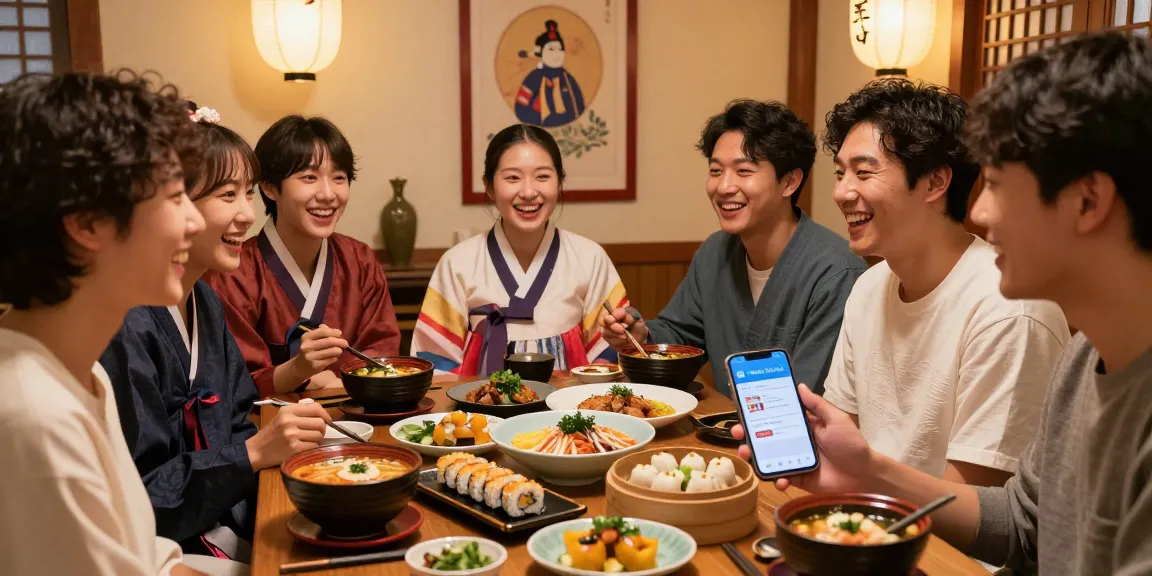
Introduction to Asian Culture in Spanish
As we navigate through a world brimming with diverse cultures, it becomes increasingly essential to appreciate and understand these various backgrounds. One of the most vibrant cultures today is that of Asia, which has captivated the global audience with its rich traditions, unique culinary delights, and dynamic pop culture. In particular, Spanish-speaking communities are increasingly seeking avenues to explore and engage with Asian cultures. It is here that platforms such as https://hanadultalk.com become invaluable resources, offering a bridge between two worlds.
The Importance of Cultural Exchange
Cultural exchange enriches societies by promoting understanding and respect among diverse communities. This exchange not only leads to more robust relationships between cultures but also fosters appreciation for the traditions, languages, and histories of others. As Asian culture gains prominence through media and the arts, the opportunity for cultural dialogue between Asian and Spanish-speaking communities grows. Sharing experiences, whether through music, cuisine, or language, allows individuals to break down barriers and build connections.
Why Spanish-Speaking Audiences Seek Asian Content
The surge in interest among Spanish speakers for Asian content can be attributed to several factors. The rapid global spread of K-pop and Asian dramas has made these cultural products highly appealing. Additionally, the increasing availability of Asian cuisine in many countries has piqued curiosity about the culinary arts. Spanish-speaking audiences find themselves drawn to the aesthetics, philosophies, and narratives that Asian cultures offer, and they seek out content that resonates with their experiences and interests.
Overview of Hana Dul Talk’s Mission
At the heart of our mission is the desire to provide high-quality, engaging content that highlights the best of Asian cultures in Spanish. Hana Dul Talk aims to serve as a vibrant platform for Spanish speakers who want to learn about, experience, and appreciate the richness of Asian traditions—from culinary arts to entertainment. We aspire to create an inclusive community where cultural enthusiasts can share their stories, recommendations, and insights while celebrating the diverse threads that intertwine our shared human experience.
Diverse Asian Cuisines Explored
One of the most profound ways to experience Asian culture is through its cuisine. Asian culinary traditions are as varied as the countries themselves, each offering unique flavors, ingredients, and cooking methods. From street food stalls in Bangkok to sushi bars in Tokyo, the possibilities are endless.
Popular Dishes from Korea, Japan, and China
Each Asian country boasts a distinct culinary identity that reflects its culture, climate, and history. In Korea, dishes like kimchi, bibimbap, and bulgogi are staples. These meals are not only rich in flavor but also steeped in tradition. Japan offers a refined culinary experience with sushi, ramen, and tempura, emphasizing freshness and presentation. Meanwhile, Chinese cuisine, renowned for its bold flavors and diverse regional styles, features classics such as Peking duck, dumplings, and stir-fried dishes.
Culinary Traditions and Practices
Beyond the delicious dishes, understanding the cultural significance behind these cuisines reveals even more depth. For instance, Korean meals often include multiple banchan (side dishes) and are typically enjoyed communally. In Japan, the concept of “omotenashi,” or hospitality, is central, where preparing and presenting food is an art form. Chinese cuisine reflects a balance of flavors and is often tied to festivals and celebrations, illustrating the importance of food in cultivating community and tradition.
How to Experience Asian Cuisine at Home
Bringing these culinary experiences into your home can be rewarding and educational. Start by sourcing authentic ingredients from local Asian markets or online. There are countless resources, including cookbooks and instructional videos, that teach you how to prepare your favorite dishes. Encourage your family and friends to join you in cooking these meals, fostering a sense of community while expanding your culinary skills.
Understanding Asian Pop Culture
Asian pop culture is a vast and ever-evolving landscape that captivates audiences worldwide. With roots in music, film, and fashion, this culture has made significant inroads into global entertainment.
The Rise of K-Pop: A Cultural Phenomenon
K-Pop has rapidly transformed from a regional phenomenon into a global movement. Groups like BTS and BLACKPINK have amassed dedicated fanbases around the world, including a considerable following within Spanish-speaking countries. Their influence extends beyond music, impacting fashion, beauty trends, and social issues.
Anime and Its Global Influence
Anime is another pillar of Asian pop culture that has charmed audiences globally. With its unique storytelling and stunning animation, anime has bred a cult following and has significantly influenced various genres of art and entertainment. Spanish speakers embrace anime not only as entertainment but also as a means to engage with Japanese culture, language, and social themes.
Trends in Asian Television and Film
Asian television drama series and films have seen an upsurge in popularity, captivating viewers with their unique narratives and compelling characters. From Korean dramas to Japanese films, these stories often explore themes of love, family, and societal issues, resonating with a broad audience. Streaming platforms have made accessing these treasures easier than ever, paving the way for a golden age of Asian cinema and television.
Traveling through Asia: A Cultural Journey
Travel offers a profound opportunity to engage with different cultures. Asia, with its rich history and diversity, is a treasure trove for travelers seeking cultural immersion.
Top Destinations for Cultural Immersion
Top destinations include cities like Kyoto, Tokyo, Seoul, and Bangkok, each known for its unique cultural offerings. Kyoto’s temples transport visitors to a different era, while Tokyo dazzles with its blend of tradition and cutting-edge technology. In Seoul, travelers can experience the vibrant pulse of modern Korean culture, and Bangkok offers bustling street markets ripe with delicious food and local customs.
Travel Tips for Spanish Speakers
For Spanish speakers traveling to Asia, learning basic phrases in the local languages can be immensely helpful. Tools like translation apps and language-learning resources can bridge communication gaps. Additionally, understanding cultural norms and etiquette can enhance the travel experience, making it more enjoyable and meaningful.
Essential Apps and Resources
Several apps can facilitate travel in Asia, from navigation tools to language translators. For those looking to delve deeper, cultural resources and blogs can provide valuable insights into local customs, food, and attractions. Engaging with local communities, whether online or in-person, can also enrich the travel experience.
Learning and Engaging with Asian Cultures
For those eager to dive deeper into Asian cultures, there are numerous opportunities to learn and engage.
Language Learning Resources in Spanish
Language learning platforms such as Duolingo and Rosetta Stone offer courses in popular Asian languages, making it easier for Spanish speakers to learn Mandarin, Japanese, or Korean. Community language exchange groups can also provide conversational practice and cultural insights.
Building Communities Around Shared Interests
Participating in cultural forums, local meetups, and online communities can help build relationships with like-minded individuals. These spaces foster engagement and knowledge-sharing, creating a sense of belonging among cultural enthusiasts.
Future Trends in Asian Culture and Media
As Asian media continues to rise in popularity, we can anticipate more collaborations between Western and Asian artists, as well as innovative content that blends cultural elements. The future promises greater diversity in storytelling and representation in media.
What to Expect from Hana Dul Talk in 2026?
As we look toward 2026, Hana Dul Talk plans to expand its content offerings to include more interactive features, such as virtual cooking classes and cultural exchange workshops. The goal is to enhance user engagement while continuing to provide quality content that resonates with our audience.
How to Get Involved and Share Your Experiences
We encourage our readers to engage with us by sharing their own cultural experiences and insights. Whether through blog submissions, social media, or community events, your voice adds to the rich tapestry of cultural exchange that we celebrate.
Frequently Asked Questions
How can I access content on https://hanadultalk.com?
Accessing content is straightforward; simply visit our website to explore a range of articles, videos, and resources centered around Asian culture in Spanish.
What types of Asian cuisine are covered?
Our platform covers a variety of Asian cuisines, focusing on popular dishes from Korea, Japan, China, and Southeast Asia, along with culinary traditions and practices.
Can I submit my own cultural experiences?
Yes! We welcome submissions that share personal cultural experiences, stories, and recommendations to foster a vibrant community of cultural exchange.
Are there language learning resources available?
Absolutely! We provide links to various language learning resources tailored for those interested in learning Asian languages in a Spanish-speaking context.
What are the latest trends in Asian entertainment?
The latest trends include the growth of K-Pop, the global rise of anime and Japanese films, and innovative television formats that cross cultural boundaries.